How Stress Affects Your Teeth and Gums and What You Can Do About It
Stress is something that affects us all at some point in our lives, but what many don’t realize is that it can have a significant impact on our oral health. For seniors, who may already be dealing with the challenges of aging, stress can compound existing health issues and lead to new dental problems. At Connection Dental in SilverSpring, MD, we understand the unique connection between stress and oral health, and we want to help you manage the impact stress has on your teeth and gums.
From teeth grinding to gum disease, stress can affect your mouth in several ways. Fortunately, understanding these connections and taking proactive steps can help you keep your smile healthy despite the pressures of daily life.
Teeth Grinding (Bruxism) and Stress
One of the most common oral health issues linked to stress is teeth grinding, also known as bruxism. This occurs when you unconsciously clench or grind your teeth, often while you sleep. As seniors experience various forms of stress—whether it’s related to health, financial concerns, or major life changes—teeth grinding becomes more prevalent.
The consequences of bruxism are significant and include:
- Worn-down enamel, which leads to increased tooth sensitivity and a higher risk of
cavities.
- Cracked or chipped teeth, which may require restorative treatments like crowns or fillings.
- Jaw pain and even headaches, which can further exacerbate stress and discomfort.
If you’re experiencing teeth grinding, it’s important to talk to your dentist. They can fit you with a nightguard to protect your teeth while you sleep. Additionally, learning relaxation techniques to manage stress can reduce the frequency of grinding, allowing you to protect your teeth and jaw from further strain.
Gum Disease and Stress
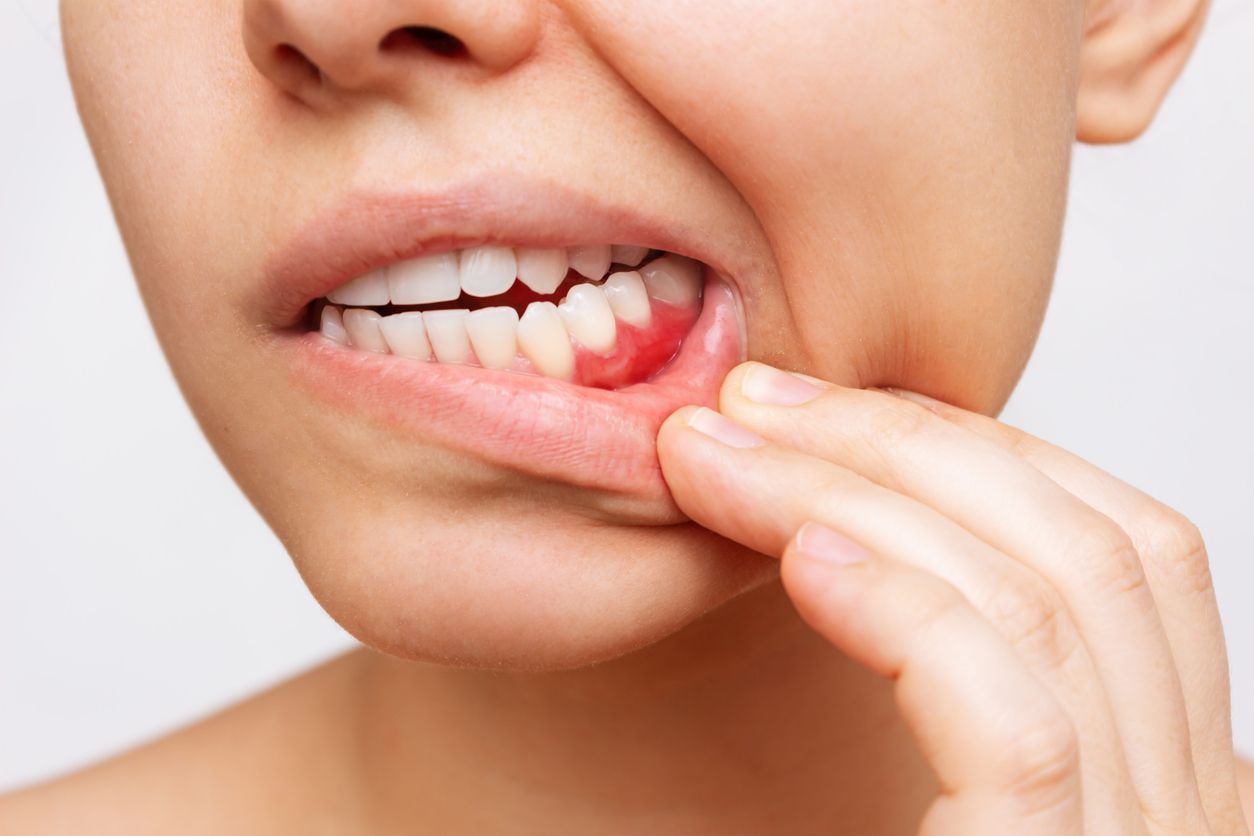
Stress doesn’t just impact your teeth—it also affects your gums. When you’re stressed, your body produces excess cortisol, the stress hormone, which increases inflammation throughout your body, including in your gums. This makes your gums more vulnerable to gum disease, which can lead to symptoms like swollen, bleeding gums and, if left untreated, tooth loss.
Additionally, stress can interfere with your daily routine, making it harder to maintain consistent oral hygiene. Neglecting to brush or floss properly creates an environment for plaque and bacteria to build up, further increasing the risk of gum disease. To protect your gums, make sure to maintain a strong oral hygiene routine—brush your teeth at least twice a day, floss daily, and visit your dentist for regular checkups and cleanings.
Dry Mouth and Stress
Stress can also lead to dry mouth (xerostomia), a condition that occurs when your mouth doesn’t produce enough saliva. Saliva is crucial for neutralizing acids, washing away food particles, and keeping your mouth hydrated. When stress triggers a reduction in saliva production, you may experience dry mouth, which can result in:
- Increased risk of tooth decay and cavities.
- Bad breath (halitosis).
- Difficulty swallowing and speaking.
Seniors are particularly prone to dry mouth due to medications or other age-related factors, but stress can make the problem worse. If you’re dealing with dry mouth, it’s important to drink plenty of water, chew sugar-free gum, and avoid caffeine and alcohol. Your dentist may also recommend saliva substitutes or special mouthwashes to help manage the condition.
Poor Oral Health Habits Induced by Stress
When stress levels rise, your oral health habits may fall to the wayside. You might skip brushing your teeth, neglect flossing, or reach for sugary or acidic comfort foods that can harm your teeth. Over time, these poor habits can lead to tooth decay and gum disease.
By making a conscious effort to maintain healthy oral habits, even during stressful times, you can protect your smile. Setting a consistent routine for brushing and flossing, avoiding unhealthy snacks, and prioritizing regular dental visits are key ways to manage the impact of stress on your oral health.
Managing Stress for Better Oral Health
While managing stress is a challenge, there are several things you can do to minimize its effects on your oral health:
- Exercise regularly: Physical activity helps reduce cortisol levels, promotes relaxation, and benefits overall health.
- Practice mindfulness: Techniques like meditation, deep breathing, or yoga can help calm your mind and reduce the physical symptoms of stress.
- Prioritize sleep: A good night’s sleep is essential for managing stress and for your oral health. If you grind your teeth at night, a nightguard can help protect your teeth while you sleep.
- Seek support: Talking with a counselor or support group can help you cope with stress and its effects.
Taking steps to reduce stress will not only benefit your mental health but also have a positive impact on your oral health. If you’re struggling with stress and its effects on your teeth and gums, don’t hesitate to talk to your dentist at Connection Dental.
The Importance of Regular Dental Checkups
Even if you’re managing your stress well, it’s essential to visit your dentist regularly for checkups and cleanings. Routine visits allow your dentist to detect early signs of stress-related issues, such as bruxism or gum disease, and take preventive measures before they become more serious. Regular dental exams can also help you stay on track with your oral hygiene routine and ensure your teeth and gums remain in good shape.
At Connection Dental, we provide personalized care for seniors, addressing your unique dental needs and offering solutions for stress-related oral health issues. Whether it’s teeth grinding, dry mouth, or gum disease, we’re here to help you maintain a healthy smile despite life’s stressors.
Take Care of Your Smile, Even Under Stress
Stress is a natural part of life, but its impact on your oral health doesn’t have to be. By recognizing the connection between stress and oral health, you can take proactive steps to protect your teeth and gums. Regular dental visits, good oral hygiene practices, and stress management techniques will help you maintain a healthy, vibrant smile, no matter what life throws your way.
If you’re concerned about how stress is affecting your oral health,
schedule an appointment at Connection Dental today. We’re here to help you manage stress and keep your smile looking its best.